Most foreign buyers ask us the same question before anything else: "Am I actually allowed to buy an apartment in Vietnam?" It is the right question, because eligibility (who qualifies) is a completely separate matter from procedure (how you do it). This article deals only with the first part: the visa, passport and legal-entry conditions that determine whether you fall within the group permitted to own a home. The documents and signing process are covered in a separate guide.
The core condition: you simply need to enter Vietnam legally
An individual foreigner who is legally permitted to enter Vietnam is eligible to buy and own an apartment — a long-term visa, residence card or permanent residency is not required.
This surprises a lot of people. Under the current Housing Law, the only mandatory condition for an individual foreigner is being allowed to enter Vietnam — meaning a valid passport plus a proper entry stamp (via a tourist visa, business visa, visa exemption or an e-visa).
You do not need to live in Vietnam, you do not need a temporary residence card, and you do not need to be married to a Vietnamese citizen. A visitor who has entered the country legally is, in principle, already qualified. That opens the door to remote investors as well as people already based in Ho Chi Minh City such as expat professionals and entrepreneurs.
Passport and entry stamp: the proof that matters most
A valid passport together with a proper entry stamp is the key evidence that you are eligible to own property in Vietnam.
When your eligibility is verified, two things are checked first:
- A valid passport issued by your home country.
- A valid entry stamp (or current visa/e-visa) proving you entered Vietnam lawfully at the time of the transaction.
In other words, the visa type is not the barrier — a short-term tourist visa is accepted just like a business visa. What matters is that your passport and entry stamp are valid at the moment you sign the contract. If you are buying remotely and are not physically in Vietnam, a legal power-of-attorney solution exists — which is exactly why it helps to talk to an experienced agent early so everything is prepared correctly from day one. You can preview the full picture in our Document Checklist for Foreign Buyers in Vietnam.
Can foreign organisations buy too?
Yes — foreign-invested enterprises, branches, representative offices and investment funds operating lawfully in Vietnam may also own housing, subject to their own conditions.
Eligibility is not limited to individuals; certain foreign organisations are also permitted to own property, including:
- Foreign-invested enterprises (FDI companies) operating lawfully.
- Branches and representative offices of foreign companies in Vietnam.
- Foreign investment funds and branches of foreign banks.
The difference is that an organisation generally buys housing for its own use (for example, to accommodate its experts) and ownership is tied to the operating term shown on its investment certificate. Because the conditions for organisations are more involved than for individuals, if you are buying under a company name, prepare the additional corporate documents and discuss your case in advance to avoid complications later.
What ownership looks like for foreigners at Grand Marina Saigon
Once you qualify, foreigners may own an apartment for 50 years, renewable under Vietnamese law, with a cap of 30% of the units in each building.
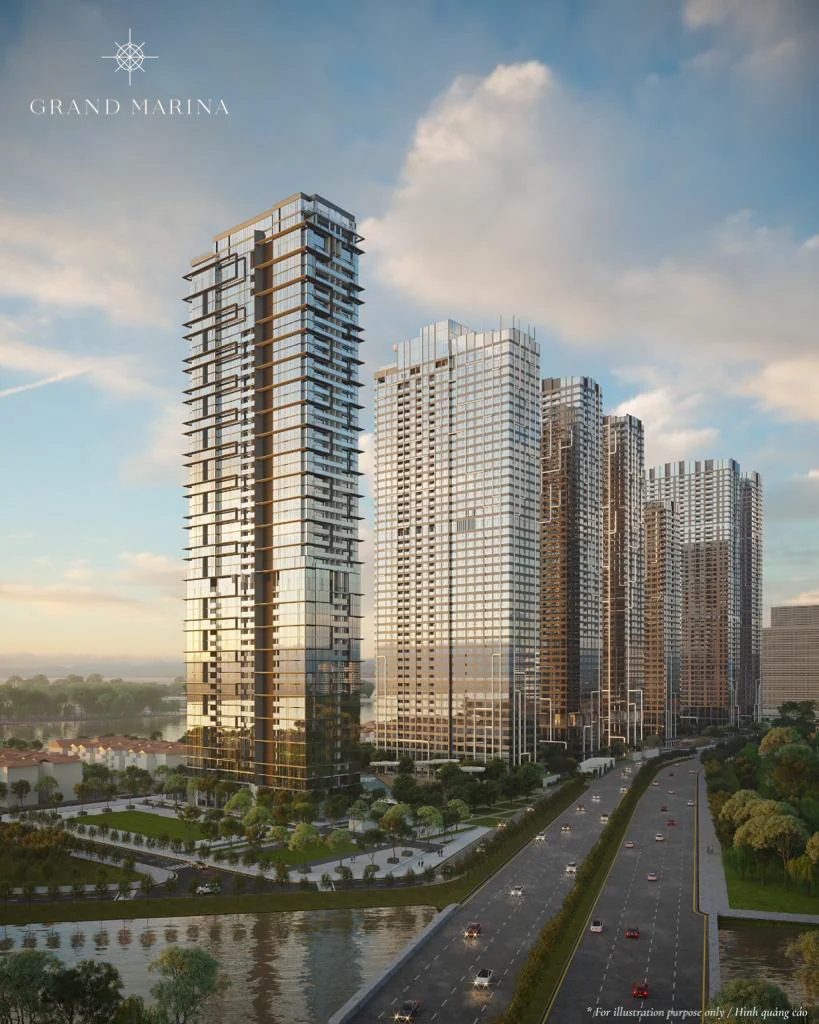
At a branded-residence project like Grand Marina Saigon — Vietnam's first What are branded residences? development under the Marriott and JW Marriott brands, located at Ba Son, District 1 — the ownership framework for foreigners is as follows:
| Criterion | Vietnamese buyer | Foreign buyer |
|---|---|---|
| Ownership term | Long-term pink book | 50 years, renewable under the law |
| Unit cap | No limit | Up to 30% of units per building |
| Lease & transfer | Allowed | Allowed |
| Bank loan | Up to 70% of value | Depends on bank & profile |
| Officetel | 50 years | 50 years |
The table above is indicative and may change per the developer's official announcements and the law in force at any given time. The 30% cap means the number of units available to foreigners in each tower (Lake, Lagoon, Cove, Sea) is limited — so confirming the remaining quota early really matters. If you plan to resell in the future, it is also worth reading up on Repatriating Sale Proceeds Out of Vietnam Legally beforehand.
Situations that look eligible but need a closer check
Some cases seem valid but require careful verification — for example a passport about to expire, entry without a proper stamp, or buying on behalf of someone who has never entered Vietnam.
Because the condition sounds so simple, many people slip up at the proof stage. Watch out for these situations:
- A passport that is expired or about to expire at the moment of signing.
- Entering Vietnam without a valid entry stamp, or with an expired visa.
- Holding title on behalf of a relative who has never entered Vietnam.
- Exceeding the building's 30% foreign quota without checking first.
Each of these can be handled, but it needs to be spotted before you pay a deposit. To avoid wasting time and deposit money, read through the 7 Pitfalls Foreign Buyers Make in Vietnam and ask your agent specific questions from the very first consultation.
In summary: who is eligible to buy in Vietnam?
You are eligible if you are an individual foreigner who has entered Vietnam legally with a valid passport, or a foreign organisation operating lawfully in Vietnam.
Foreign ownership eligibility in Vietnam is far more accessible than many people assume: the key is lawful entry, not the type of visa. Once you qualify, you receive a 50-year, renewable ownership right with the freedom to lease and transfer, within the 30%-per-building cap. For more common questions about the project, visit our FAQ.
The information in this article is general reference only and is not individual legal advice; actual eligibility depends on your entry status, your documents and the rules in force at the time of the transaction. Before deciding, you should review the legal documents and the specific price list for the project.
Note
Prices, areas and timelines may change per the developer's official announcements. Please contact us on Zalo 0903 475 802 for the latest documents and price list.