In less than a decade, "branded residences" have moved from being almost invisible on Vietnam's property map to forming a distinct segment — with its own pipeline, a working resale market, and a dedicated buyer profile. This article is not about the definition of branded residences; it focuses on the growth story: how fast the market is expanding, where Vietnam stands in the region, and why a project like Grand Marina Saigon is seen as a milestone.
How fast are branded residences growing in Vietnam?
Vietnam is one of Southeast Asia's fastest-growing branded-residences markets, moving from virtually zero in the mid-2010s to dozens of projects in the pipeline as of 2026.
According to market reports published by Knight Frank and Savills over 2023–2025, the global branded-residences segment has continued to post double-digit growth in project count, with Asia-Pacific the fastest-expanding region. Within that picture, Vietnam has emerged as a new bright spot: from having no operating branded project before 2018, the country now hosts a cluster of developments carrying major international brand names — and the pipeline keeps growing.
What stands out is not only the volume but the calibre of the partners: names such as Marriott, Ritz-Carlton, Fairmont and several luxury-fashion houses have lent or are lending their brands to residential projects in Hanoi and Ho Chi Minh City. That signals global operators now consider Vietnam mature enough to carry their name.
Why is the segment expanding so quickly?
Growth is driven by a rising affluent class, demand for international-standard operated services, and the appeal of owning an asset tied to a globally recognised brand.
Several forces are pushing this growth at the same time:
- The number of high-net-worth individuals (HNWIs) in Vietnam has been rising steadily, according to recent Knight Frank reports.
- Buyers increasingly value operated services — 24/7 concierge, multi-layer security, housekeeping — not just four walls.
- An international hotel brand provides reassurance on quality standards and recognisability when leasing or reselling.
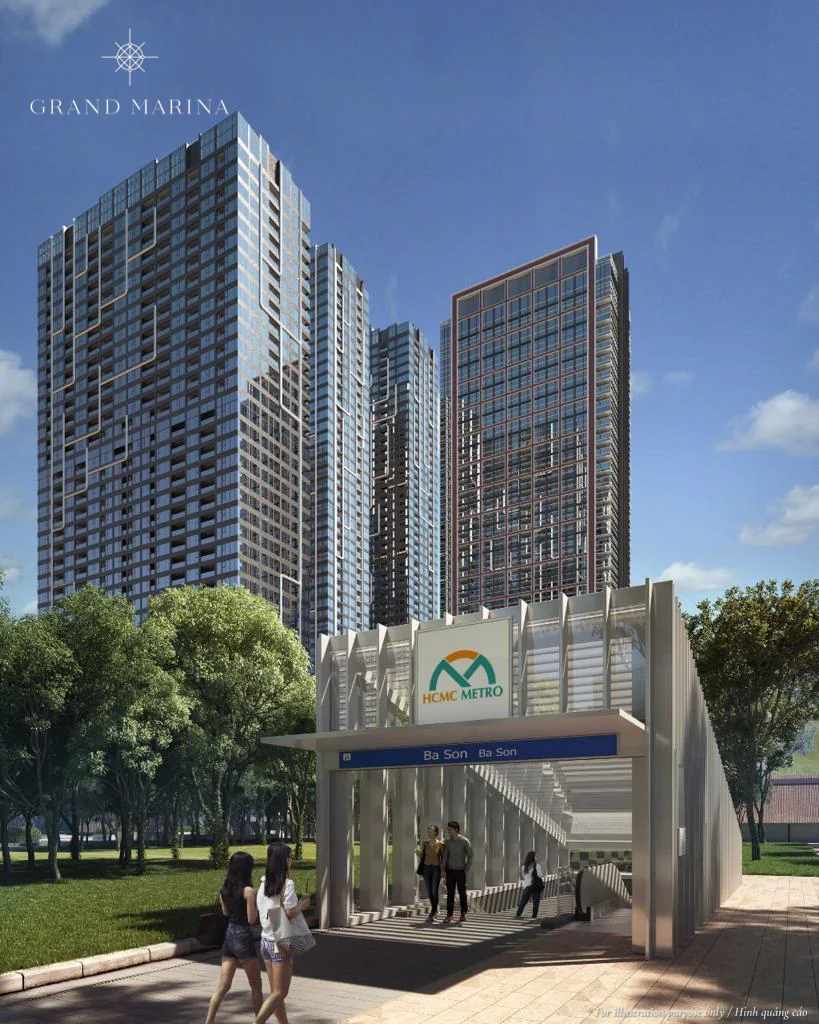
- Urban infrastructure, especially new metro lines, lifts the value of the core central locations where branded residences tend to sit.
Together these four factors create a segment buyers are willing to pay a premium for. As a market reference from Knight Frank and Savills, branded residences are typically priced 25–35% above comparable non-branded products — a market benchmark, not a promise about any specific project's price growth. For the bigger macro picture behind this, see Vietnam Real Estate 2026 Outlook: Macro Factors to Watch.
Where does Vietnam stand on the Southeast Asia map?
Vietnam trails Thailand but is closing the gap fast, with Ho Chi Minh City leading the country on supply.
Regionally, Thailand (Bangkok, Phuket) has long been the most mature branded-residences market, followed by hubs such as Kuala Lumpur and Manila. Vietnam joined later, but its adoption rate is narrowing the gap quickly, especially in the high-end segment of the major cities.
| Adoption stage | Vietnam market characteristics |
|---|---|
| Before 2018 | Virtually no operating branded-residences projects; the concept still unfamiliar to buyers |
| 2018–2021 | International brands begin signing; Masterise × Marriott partnership announced (2020–2021) |
| 2022–2024 | First projects completed & handed over; residents move in; operated services go live |
| 2024–2026 | A secondary/resale market forms; the pipeline widens across more brands and cities |
The table shows a steep adoption curve: in just 6–7 years, Vietnam has gone from "nothing" to a genuine secondary market. These dates and figures are indicative and may change per each developer's official announcements.
If you want to see a concrete example of how this segment works in practice, let us send you the project documents and an indicative price list.
Grand Marina Saigon: a milestone in this wave
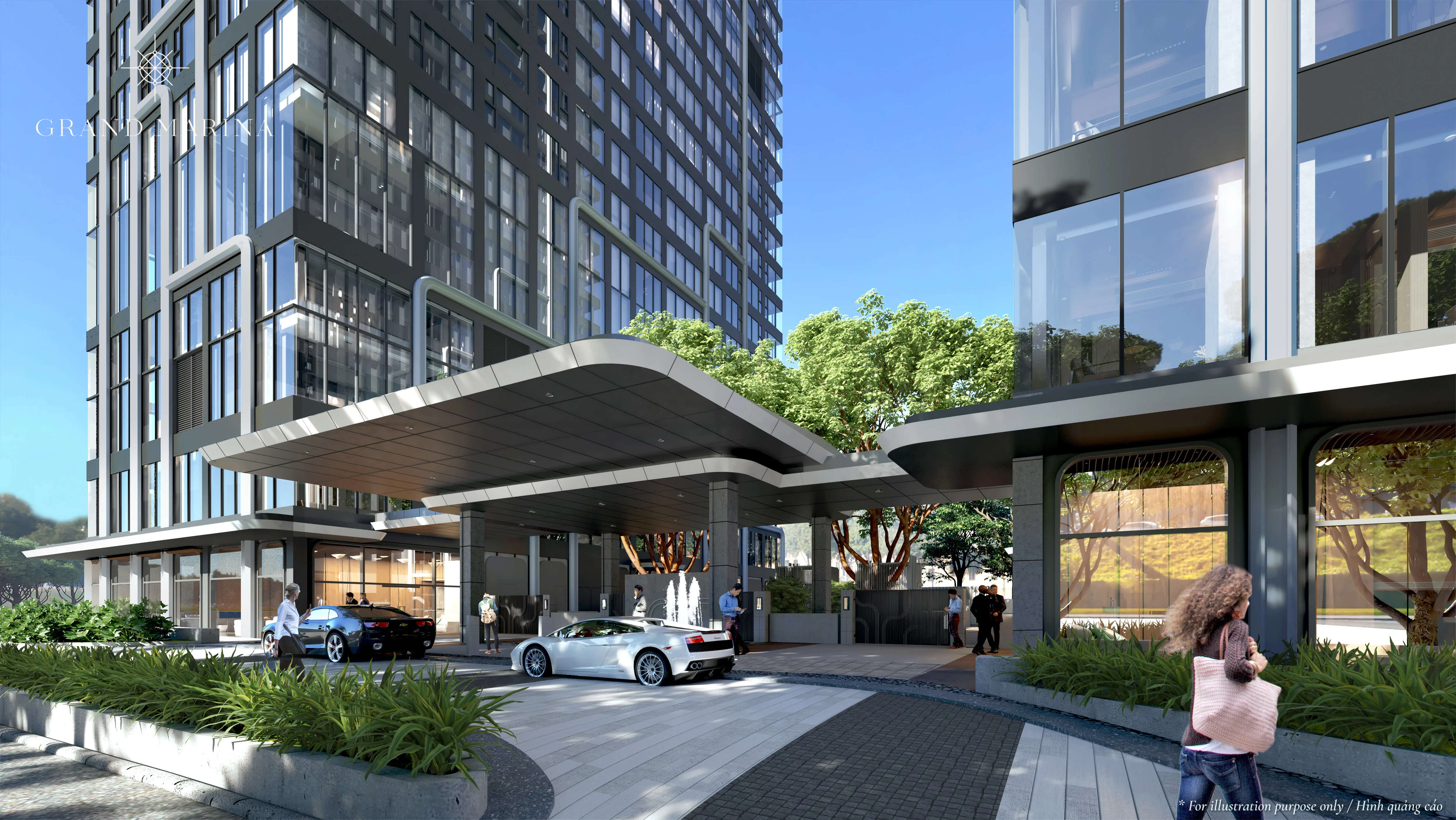
Grand Marina Saigon is Vietnam's first Marriott & JW Marriott branded residences, developed by Masterise Homes in Ba Son, District 1, Ho Chi Minh City.
The project comprises four towers — Lake (Marriott brand) plus Lagoon, Cove and Sea (JW Marriott) — on the Saigon riverfront at No. 02 Ton Duc Thang, Ben Nghe Ward. Marriott International operates under a 20-year contract, with all phases handed over and residents already living in. This is exactly the kind of project that defined the 2022–2024 stage in the table above: no longer a rendering, but a completed product running genuine Marriott services.
Its location also illustrates how much infrastructure matters to this segment: the Metro Line 1 Ba Son station is only about 250 m away, and the line is now in commercial operation. The impact of the metro on property values along the line is examined in Metro Line 1 Open: Effect on Property Values Along the Line. You can also get an overview on the About the project page.
What characterises the growth phase?
The current phase is marked by brand diversification, expansion into more cities, and the emergence of a secondary resale market.
As a segment moves past its early days, certain signs of maturity tend to appear:
- Multiple brands competing, no longer just one or two exclusive names.
- Supply spreading from one core city to other urban centres and resort destinations.
- A secondary market forming, giving early buyers liquidity.
- Buyers becoming more sophisticated, comparing brands and operating models carefully.
All of these signals have already appeared or are appearing in Vietnam, reinforcing the view that this is not a passing fad. That said, the actual investment outcome of any given project still depends on location, timing and policy — so buyers should review the legal documents and the specific price list before deciding. The high-end context in Ho Chi Minh City is detailed in HCMC Luxury Property Market 2026: Data & Trends.
Foreign buyers and this segment
Branded residences suit international buyers particularly well, thanks to globally recognisable branding and a clear legal framework for foreign ownership.
At Grand Marina Saigon, foreigners can own a unit for 50 years (renewable under Vietnamese law), within a 30%-of-units-per-building cap, with transfer and leasing allowed and bilingual paperwork support. This legal framework is a key reason the segment attracts international capital. All conditions and ratios are indicative and as stated on the project pages.
If you want to nail down the underlying concept before diving into the market story, What are branded residences? explains the model in full.
Are you an investor or foreign buyer looking at opportunities in this growing segment?
The outlook for the segment ahead
A widening pipeline suggests branded residences will become a permanent fixture of Vietnam's high-end market rather than a temporary phenomenon.
With supply expected to rise, brand diversity increasing and the adoption curve still in its steep phase, market analysts generally expect the segment to keep expanding. It is worth stressing, however, that this is a view on the segment's trend based on Knight Frank and Savills references (2023–2025), not a promise about the returns of any specific unit. Actual outcomes depend on the project, the timing and the policy in force at the time of purchase.
For buyers, what matters is choosing a project with a reputable brand, a clear operating partner, a core location and transparent legal status — the very criteria that leading projects such as Grand Marina Saigon are setting for the wider market.
Note
Prices, areas and timelines may change per the developer's official announcements. Please contact us on Zalo 0903 475 802 for the latest documents and price list.