Over the past few years, Vietnam's luxury property — especially in central Ho Chi Minh City — has appeared more and more in the conversations of international buyers. This article looks at the demand side: who is interested, why they are interested, and how the rule that caps foreign ownership at 30% of units per building shapes what actually happens in practice. This is general market context, not individual investment advice.
Who is generating foreign demand for Vietnam's luxury homes?
The main demand groups are expats living and working in HCMC, regional Asian investors, and overseas Vietnamese who want a foothold back home.
Not every foreigner interested in luxury homes has the same goal. A few common profiles stand out:
- Executives, engineers and senior staff of multinationals with offices in District 1 and nearby areas.
- Investors from Korea, Taiwan, Hong Kong, Singapore and Japan who already understand the branded residences model.
- Overseas Vietnamese (Việt kiều) who want to own an asset tied to home.
- Buyers combining a genuine place to live, a base during business trips, and rental use.
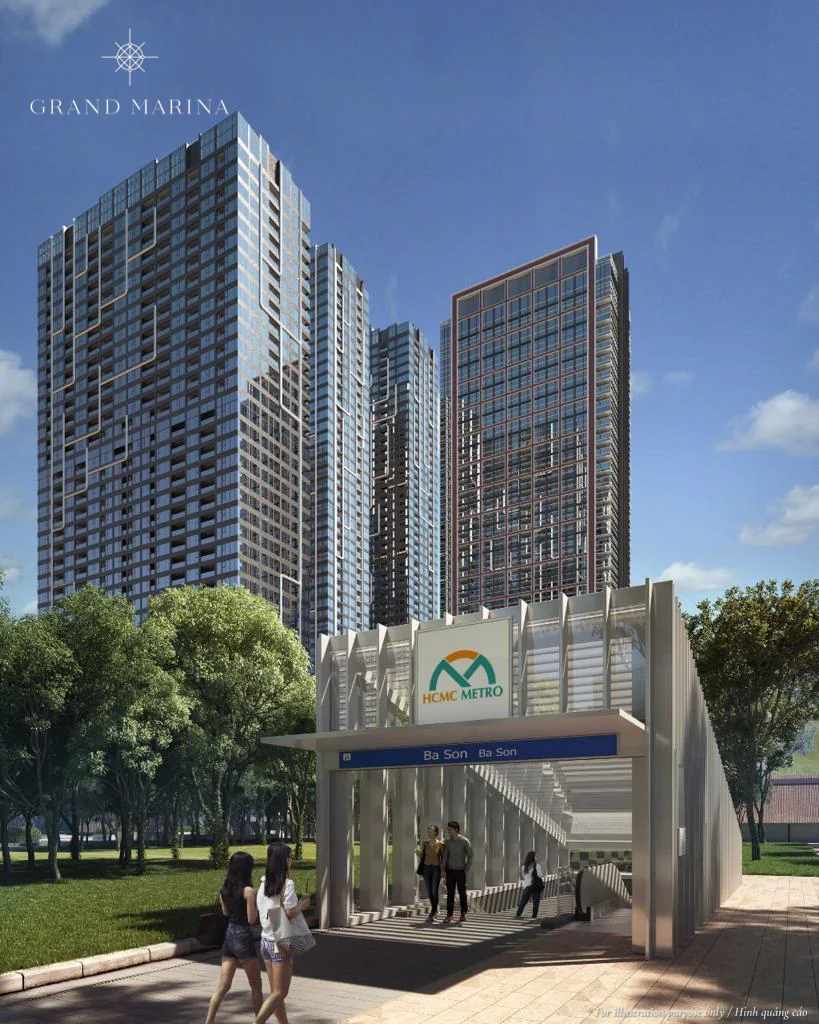
What these groups share is a preference for a central location, clear legal status, and an operating brand they already trust — which is why products like Grand Marina Saigon, carrying the Marriott and JW Marriott name at Ba Son, District 1, are often on the shortlist. For background you can read What are branded residences? to understand why this model appeals to international buyers.
What is driving this demand?
Economic growth, FDI inflows, limited central supply and the pull of an international hotel brand are the main drivers market researchers tend to cite.
In market reports from Knight Frank and Savills across 2023–2025, several factors come up regularly when describing demand for luxury homes in Vietnam:
- Vietnam keeps attracting foreign direct investment, bringing in professionals who need high-quality housing.
- Affluent buyers across the region are increasingly familiar with branded residences and seek similar products in emerging markets.
- Land in the core of central HCMC is getting scarcer, making new District 1 product rare.
- An operating brand like Marriott offers reassurance on service standards to buyers new to the local market.
It is worth stressing that these are market observations as published at the time, not promises. Actual outcomes depend on the project, timing and policy. The central-supply scarcity story is examined in more detail in District 1 Apartment Scarcity: A Supply Analysis.
What is the 30%-of-units-per-building cap?
Under Vietnamese law, foreigners may own at most 30% of the apartments in any single condominium building, on a renewable 50-year ownership term.
The rule aims to balance opening the market to international buyers with protecting housing access for domestic residents. For foreigners, the key points as stated on the project pages are:
- Ownership term of 50 years, renewable under Vietnamese law.
- A 30% cap on the total units per building reserved for foreign buyers.
- Transfer and leasing are permitted; bilingual paperwork and translation support are provided.
- For Officetel units, the ownership term is likewise 50 years.
By contrast, Vietnamese buyers receive a long-term pink book (sổ hồng) with full rights to use, transfer, lease and inherit, and can borrow up to 70% from a bank. You should review the legal documents and the specific price list before deciding; the information here is general only.
How does the 30% cap interact with foreign demand?
When foreign demand is high but only 30% of each building can be sold to foreigners, the pool available to that group at central projects can shrink quickly.
The mechanism is simple: the supply reserved for foreigners in each building is fixed, while demand fluctuates with capital flows and a project's appeal. When a central project draws international interest, that 30% slice tends to fill first, and units still eligible for foreigners afterward come mostly from the secondary resale market.
This is why many foreign buyers pay early attention to the remaining "foreign allocation" by tower and by sales phase. Confirm developer inventory and resale availability for the exact unit at the time of enquiry.
| Criterion | Vietnamese buyer | Foreign buyer |
|---|---|---|
| Ownership form | Long-term pink book | 50 years, renewable |
| Unit cap per building | No limit | Up to 30% per building |
| Transfer & leasing | Permitted | Permitted |
| Bank loan | Up to ~70% | Subject to each bank's policy |
The table above summarizes the key points as stated on the project pages and is for reference only; specific details and conditions may change per official announcements and the prevailing law.
Why is the Marriott brand a draw for international buyers?
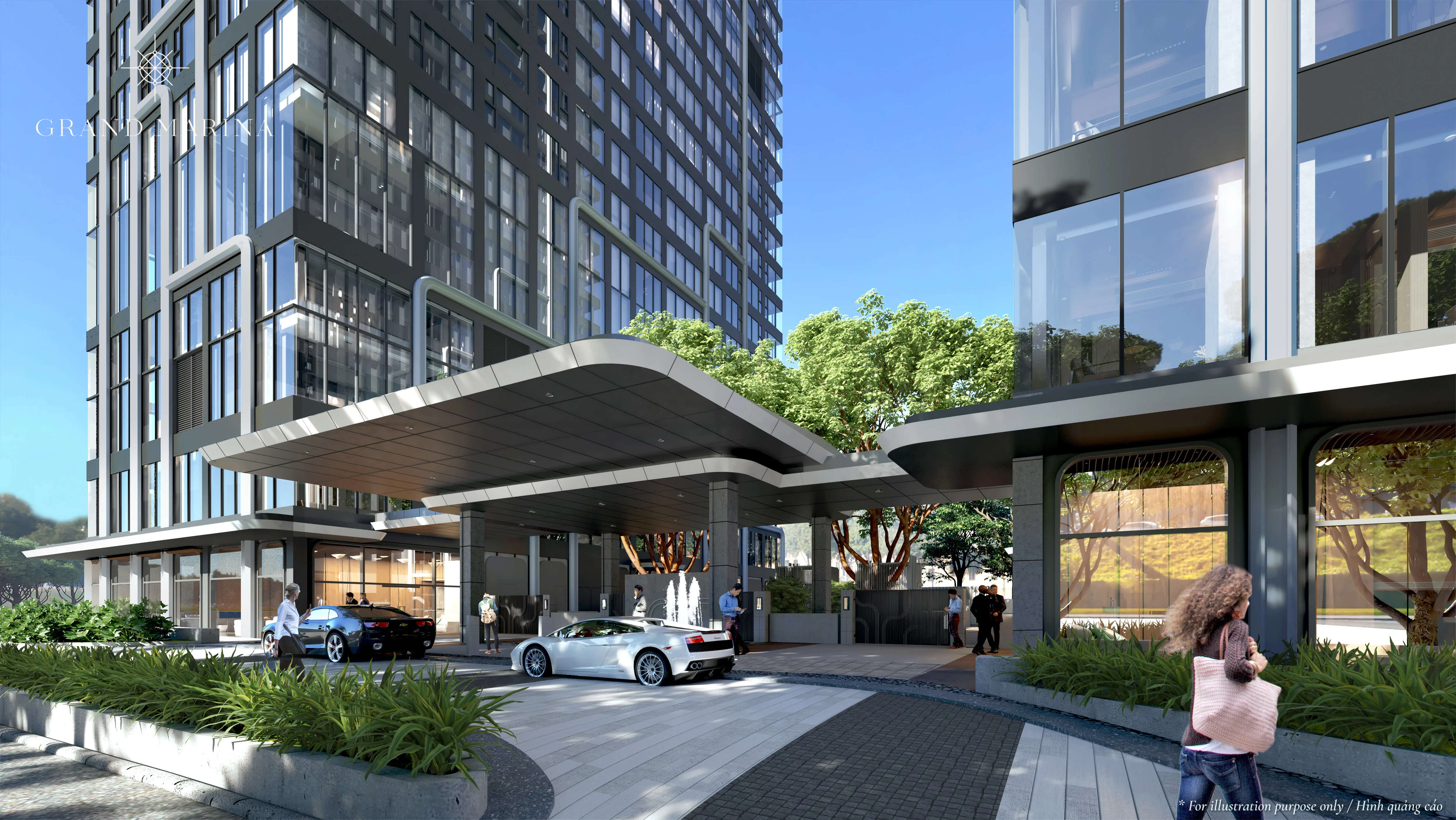
For international buyers new to the Vietnam market, a global operating brand like Marriott lowers the perceived risk around quality and service.
Grand Marina Saigon is presented as Vietnam's first Marriott & JW Marriott Branded Residences, under a 20-year Marriott operating contract. Several features tend to be valued by foreign buyers:
- Marriott-standard operations: 24/7 concierge, housekeeping, laundry and multi-layer security.
- Marriott Bonvoy benefits linked to 8,000+ Marriott hotels worldwide.
- Fully fitted handover to brand standard, sparing remote buyers heavy renovation work.
- A core District 1 address, about 250 m from Ba Son Metro station and roughly 200 m from the Saigon River.
According to Knight Frank and Savills reports, branded residences have typically been priced about 25–35% above comparable non-branded product at the time of survey — a market reference, not a promise of appreciation. The position of this model in Vietnam is analyzed in Branded Residences Growth in Vietnam: Market Position.
What should foreign buyers keep in mind on the demand side?
Confirm the remaining 30% allocation per tower, check the legal status of each unit, and look at both the primary and secondary markets before deciding.
Because demand and supply move with each sales phase, a few practical points are worth checking early:
- How many slots remain in the 30% foreign allocation for the tower you are interested in.
- The legal status, remaining ownership term and transfer conditions of each unit.
- Comparing price and liquidity between primary and secondary product.
- Payment policy, management fees (~USD 8–9/m²/month, subsidized for the first 3 years) and the related fees and taxes.
The figures above on prices, areas and fees are indicative and may change per sales phase. You may also review performance data in Branded Residences: Resale & Rental Performance Data, or see the overview on the About the project page for the full picture before getting in touch.
Note
Prices, areas and timelines may change per the developer's official announcements. Please contact us on Zalo 0903 475 802 for the latest documents and price list.